Cancer, a word, not a sentence
Let nothing trouble you, let nothing frighten you. All things are passing; God never changes. Patience obtains all things.
Let nothing trouble you, let nothing frighten you. All things are passing; God never changes. Patience obtains all things.
is a disease in which some of the body’s cells grow uncontrollably and spread to other parts of the body. Cancer is a genetic disease—that is, it is caused by changes to genes that control the way our cells function, especially how they grow and divide.can start almost anywhere in the human body, which is made up of trillions of cells. Normally, human cells grow and multiply (through a process called cell division) to form new cells as the body needs them. When cells grow old or become damaged, they die, and new cells take their place.
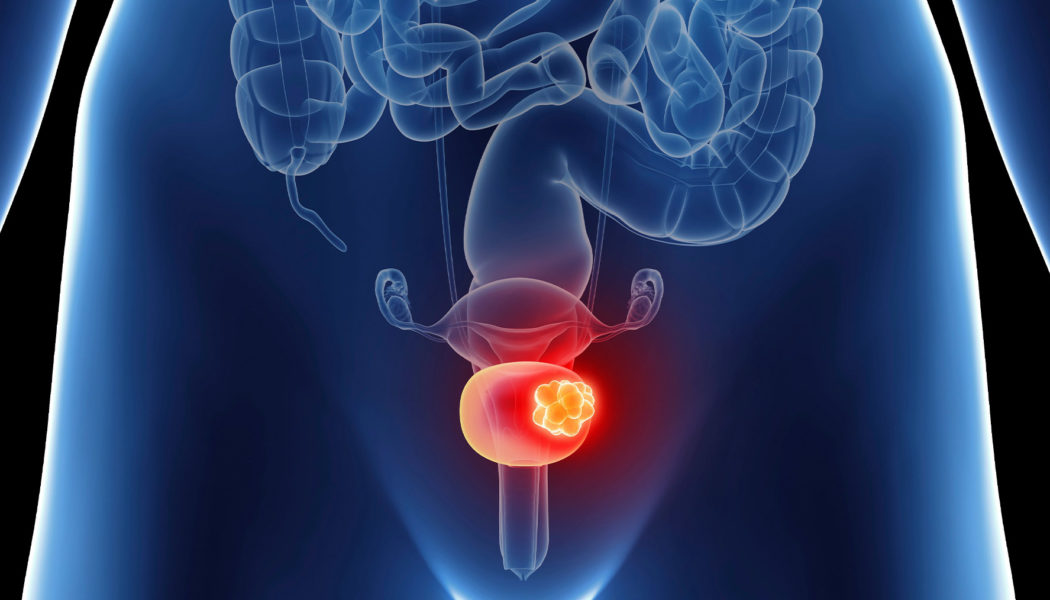
The most common type of bladder cancer is transitional cell carcinoma, also called urothelial carcinoma. Smoking is a major risk factor for bladder cancer.
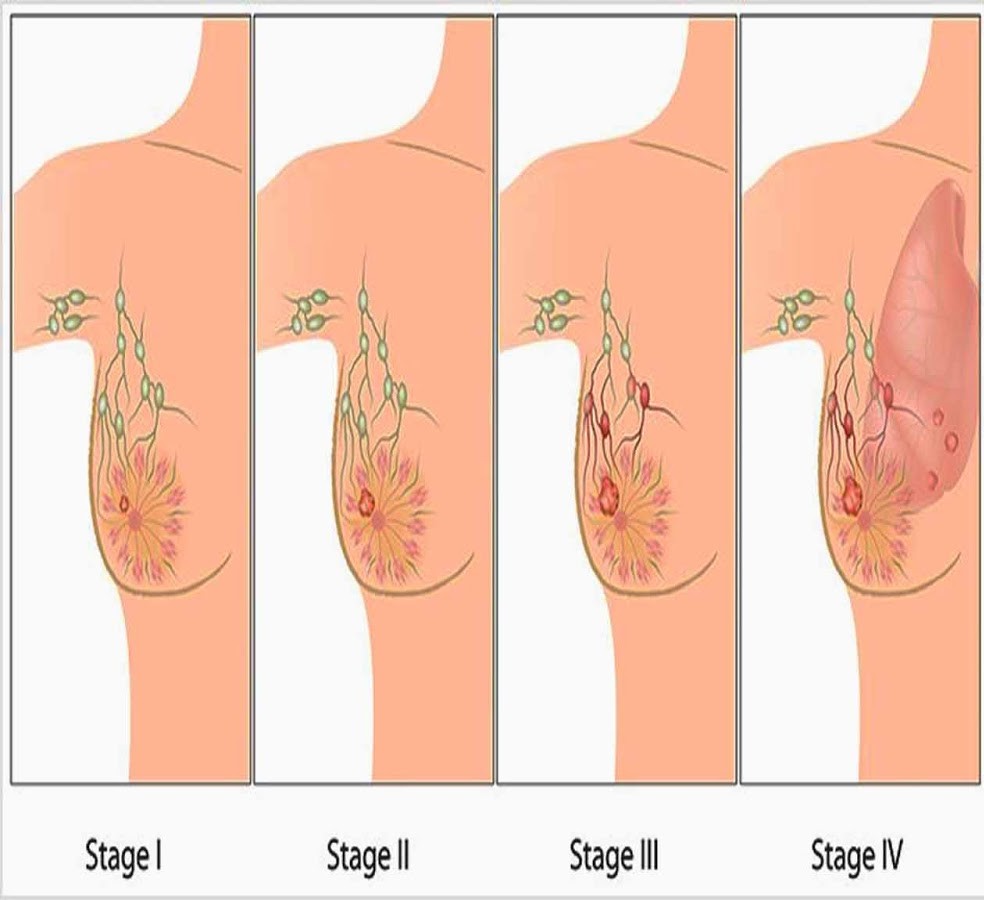
Breast cancer is the second most common cancer in women after skin cancer. Mammograms can detect breast cancer early, possibly before it has spread.
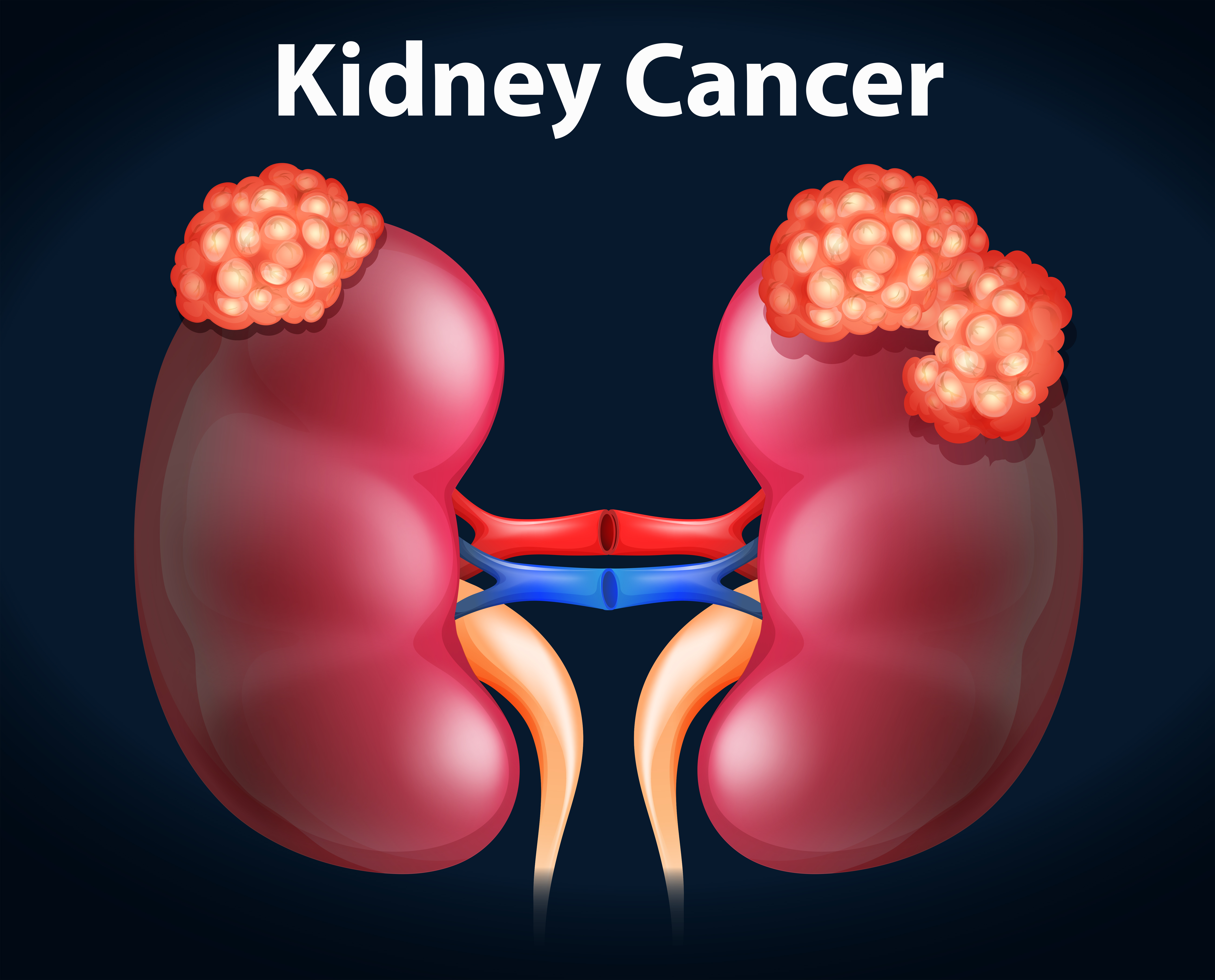
Kidney cancer can develop in adults and children. The main types of kidney cancer are renal cell cancer, transitional cell cancer, and Wilms tumor. Certain inherited conditions increase the risk of kidney cancer.
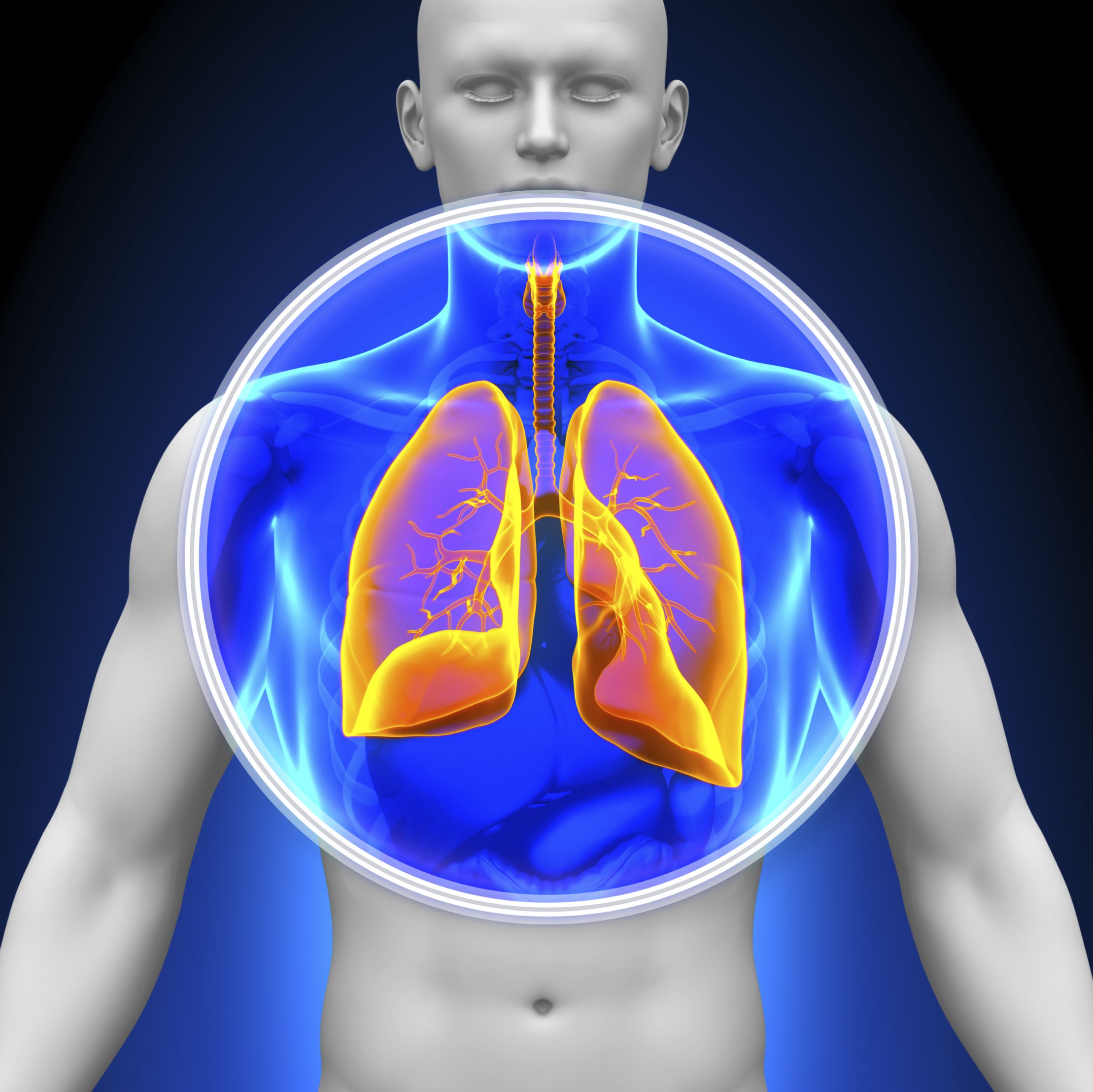
Lung cancer includes two main types: non-small cell lung cancer and small cell lung cancer. Smoking causes most lung cancers, but nonsmokers can also develop lung cancer.
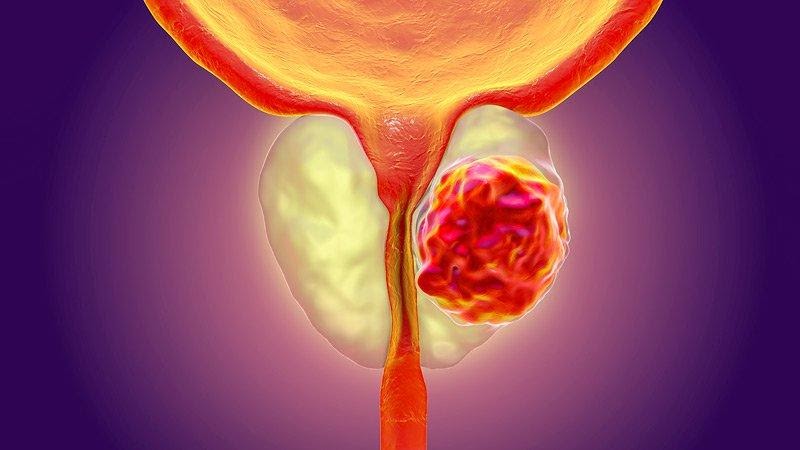
Prostate cancer is the most common cancer and the second leading cause of cancer death among men in the United States. Prostate cancer usually grows very slowly, and finding and treating it before symptoms occur may not improve men's health or help them live longer.
Pancreatic cancer can develop from two kinds of cells in the pancreas: exocrine cells and neuroendocrine cells, such as islet cells. The exocrine type is more common and is usually found at an advanced stage. Pancreatic neuroendocrine tumors (islet cell tumors) are less common but have a better prognosis.

There are four main types of thyroid cancer. These are papillary, follicular, medullary, and anaplastic. Papillary is the most common type. The four types differ in how aggressive they are. Thyroid cancer that is found at an early stage can often be treated successfully.
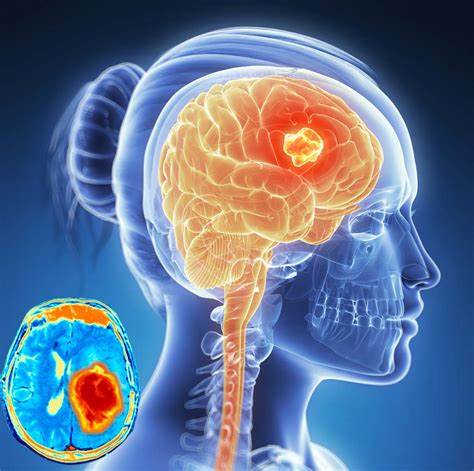
Brain cancer is a malignant growth of abnormal brain cells in the brain. Brain cancer can arise from many different types of brain cells (primary brain cancer) or occur when cancer cells from other parts of the body spread (metastasize) to the brain. True brain cancers are those that arise in the brain itself.
Most of the time, treatment of bladder cancer is based on the tumor’s clinical stage when it's first
diagnosed. This includes how deep it's thought to have grown into the bladder wall and whether it
has spread beyond the bladder.
> surgery
> chemotheraphy in the bladder
> Chemotherapy for the whole body
> Radiation therapy
> radiation theraphy
Breast cancer is treated in several ways. It depends on the kind of breast cancer and how far it has
spread. People with breast cancer often get more than one kind of treatment.There are many options
for breast cancer treatment.
> surgery
> chemotheraphy
> hormonal theraphy
> biological theraphy
> radiation theraphy
Kidney cancer treatment usually begins with surgery to remove the cancer. For cancers confined to the
kidney, this may be the only treatment needed. If the cancer has spread beyond the kidney,
additional treatments may be recommended.
> surgery
> Nonsurgical treatments
> targeted theraphy
> immunotheraphy
> radiation theraphy
> clinical trials
People with an increased risk of lung cancer may consider annual lung cancer screening using low-dose
CT scans. Lung cancer screening is generally offered to older adults who have smoked heavily for
many years or who have quit in the past 15 years.
> surgery
> chemotheraphy
> Stereotactic body radiotherapy
> Targeted drug therapy
> radiation theraphy
> Immunotherapy
Most medical organizations encourage men in their 50s to discuss the pros and cons of prostate cancer
screening with their doctors. The discussion should include a review of your risk factors and your
preferences about screening.
> surgery
> Freezing or heating prostate tissue
> Hormone therapy
> Chemotherapy
> radiation theraphy
> Immunotherapy
The stages of pancreatic cancer are indicated by Roman numerals ranging from 0 to IV. The lowest
stages indicate that the cancer is confined to the pancreas. By stage IV, the cancer has spread to
other parts of the body.
> surgery
> supportive(palliative) care
> radiation therapy
> Chemotherapy
> clinical trials
After a diagnosis of thyroid cancer you may feel disbelief, uncertainty, fear and anxiety. There is
no right or wrong way to feel and experiencing a range of emotions is normal. While the most common
types of thyroid cancers have a very good long-term prognosis.
> surgery
> supportive(palliative) care
> radiation therapy
> Chemotherapy
> t4 theraphy
In brain tumor care, different types of doctors often work together to create a patient’s overall
treatment plan that combines different types of treatment. This is called a multidisciplinary team.
Your care team may include a variety of other health care professionals, such as physician
assistants, nurse practitioners, and others.
> surgery
> targeted theraphy
> radiation therapy
> Chemotherapy


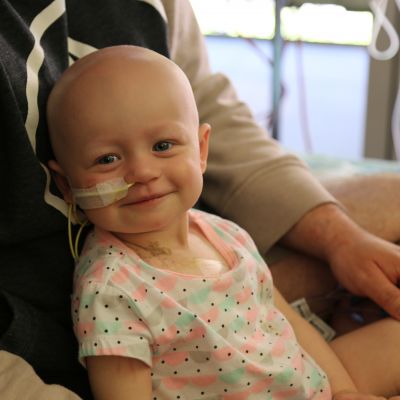

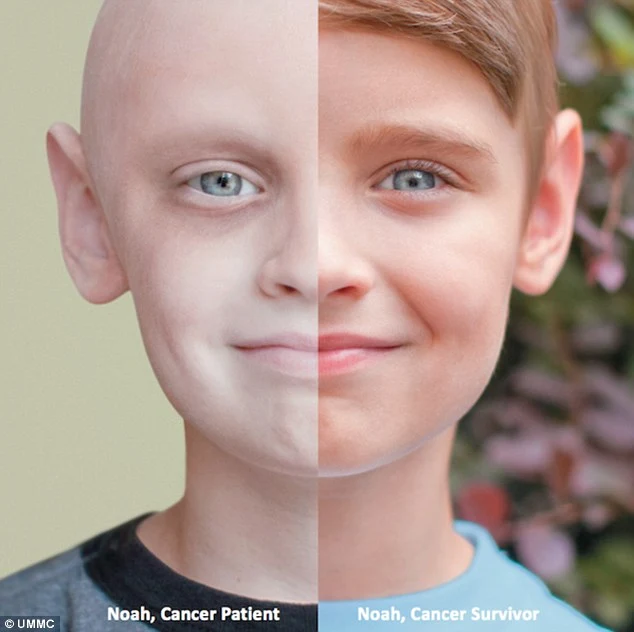
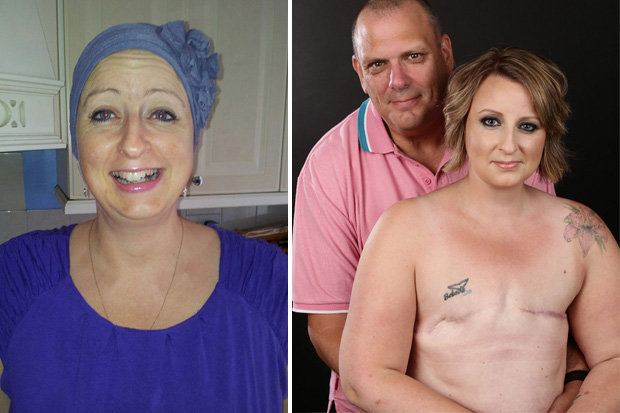
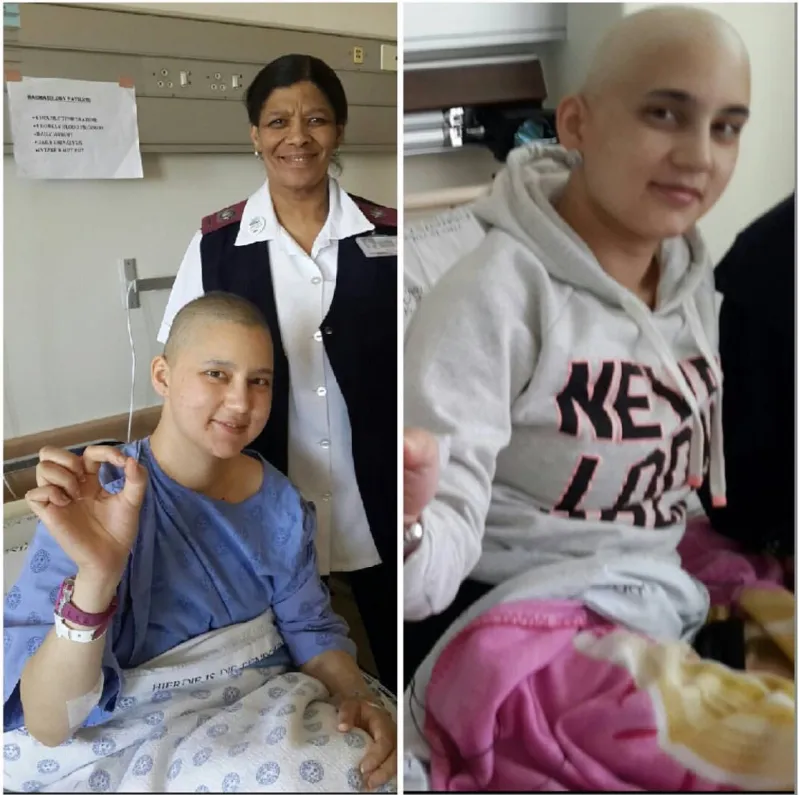

Not all of us will be presented with the opportunity to look death in the face and rise up to fight. Life always gives you a choice. Lay down and die or stand up and fight. Fighting is not a given. It’s a choice. A choice to become a warrior. But we are not born warriors. Life presents challenges and obstacles, and we make the choice to go to war. Webster defines a warrior as a person engaged in struggle or conflict. But it is how that person enters into battle that makes them a true warrior. Rather than fighting out of obedience or allegiance, a true warrior engages in battle out of personal choice.
i don’t like being called a ‘warrior.’ I never feel like a ‘warrior.’ When you are dealing with the slogfest that is stage 4 breast cancer. It rarely feels like a massive triumph, or things that ‘warriors’ are made of.

I’m not a big fan of battlefield language. Maybe that’s because my cancer won’t be defeated in a grand, glorious battle. To keep living, I have to live with my cancer, which isn’t an external or introduced enemy, but rather a wrong turn my body took at the genetic level.

I have mixed feelings about these terms. I do not like the term ‘warrior’ because I’m a pacifist and don’t like the idea of being in a war with anyone, much less my own body. I like to say I’m living with cancer. And on a good day, ‘I’m living well with cancer.

I do not consider myself a cancer ‘warrior.’ My cancer arose from my own cells — I cannot successfully fight against myself. I am surviving cancer, thus far, as an engaged, empowered, educated patient — an e-patient — pursuing effective treatment for my cancer

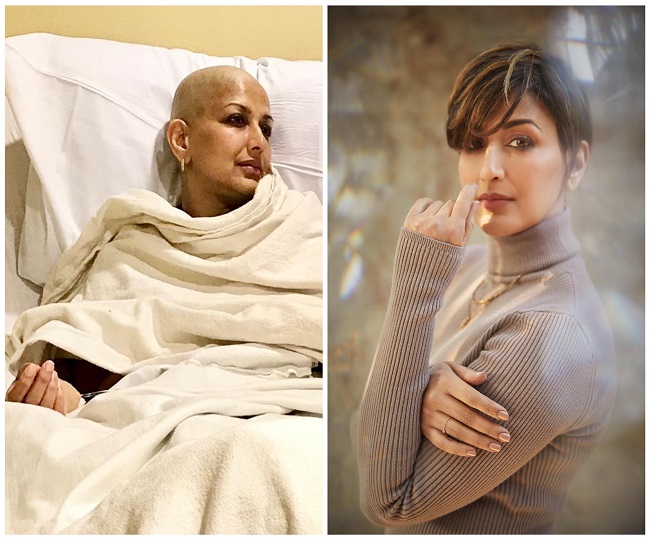
Sonali Bendre's life changed forever when she was diagnosed with a "high-grade cancer". "I didn't want to go to New York. It was my husband who wanted to go. And I fought with him all through the flight. 'Why are you doing this? Why are you taking me away?' My home, my life... in three days, we literally justleft and, I don't know, what was happening.There was no time for it and we were not told that it was fourth stage but Goldie had started reading about it and he was suspecting it.

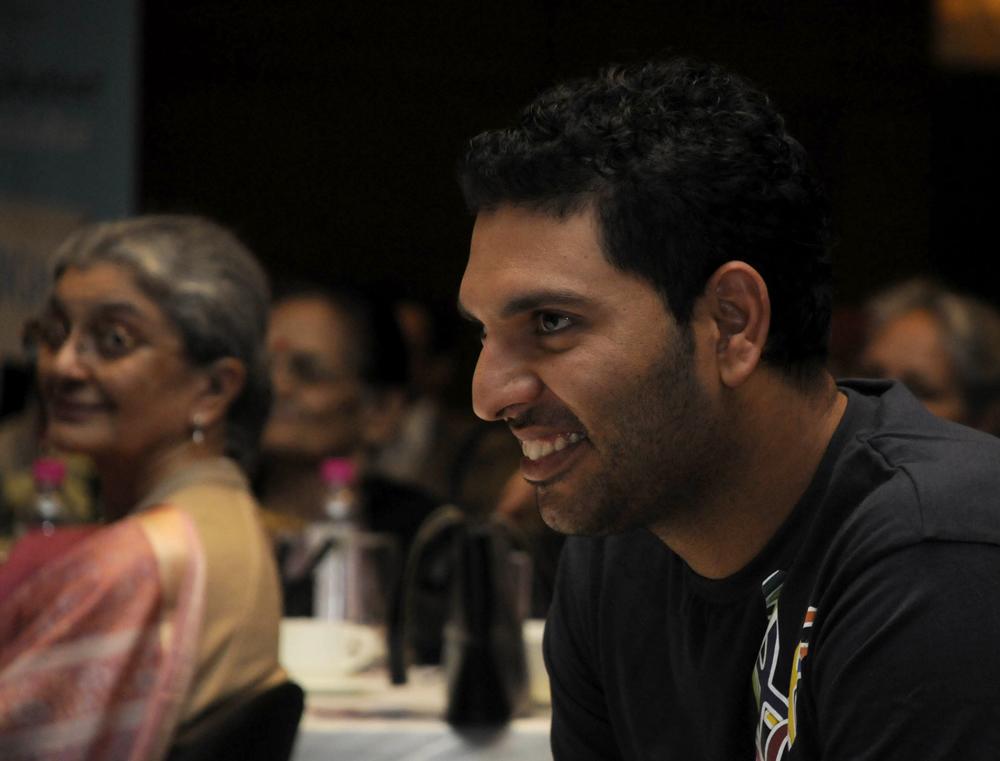
While playing the World Cup in 2011, in which he won the Player of the Tournament award, Yuvraj had bouts of blood vomiting, nausea and breathing issues. After the tournament, he was diagnosed with a cancerous tumour in his left lung (stage 1) and underwent chemotherapy in the USA. In March 2012, he returned to India and was even part of the 2012 T20 World Cup after recovery.

The veteran beauty was diagnosed with breast cancer in 2002, when she was 54-years-old. 6 chemotherapies and 35 radiations later, she managed to hold and was quoted telling Bangalore times: "I don't give up easily. Even death will have to fight me." She followed a tight regime to get back in shape and can still turn heads with her charm.